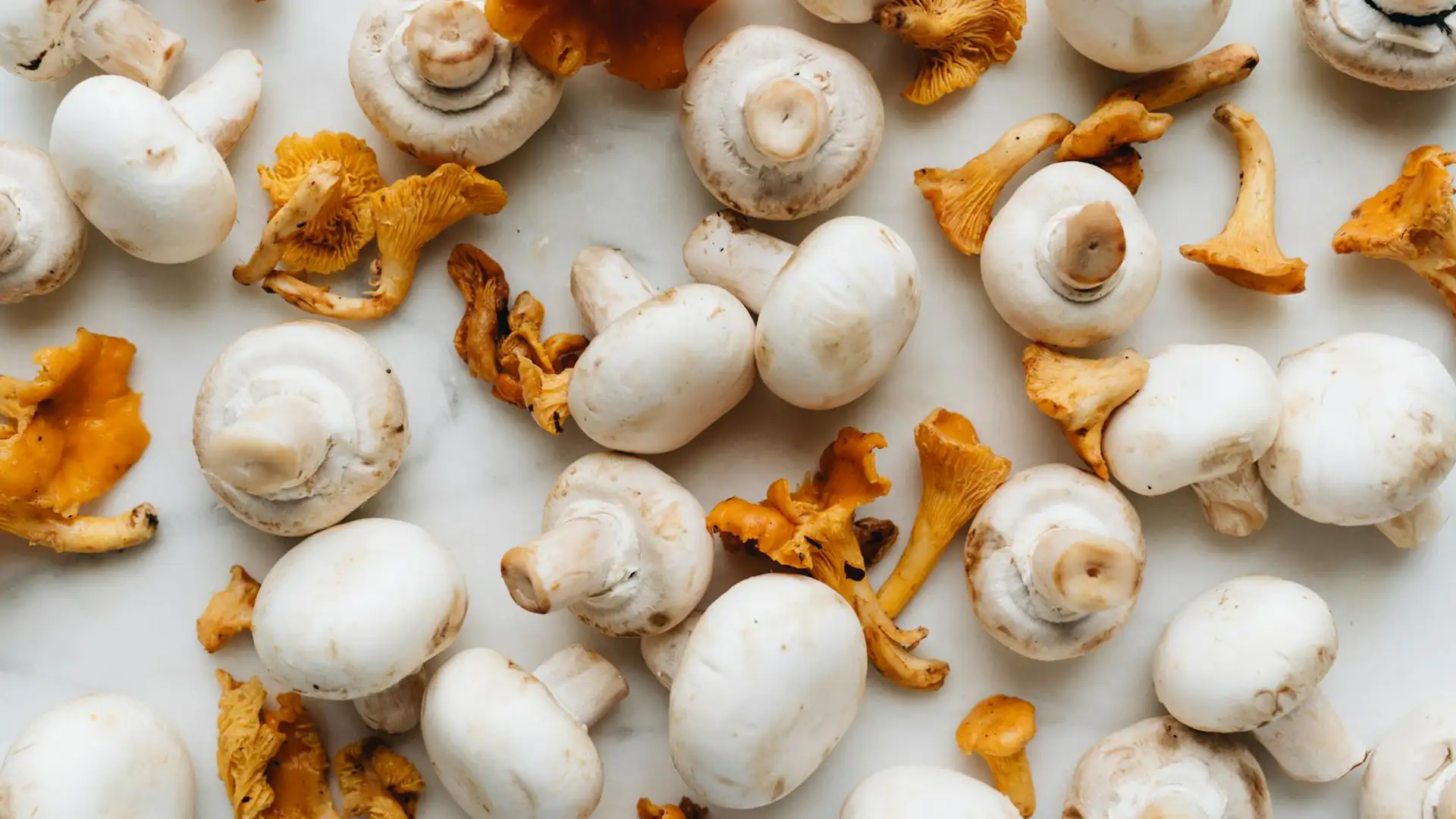
You’ve probably been seeing mushrooms a lot lately. They’re popping up in pharmacies, coffee shops, and supplement aisles in grocery stores. Functional mushrooms are sold in the form of powders, capsules, and drinks—all promising to boost your energy and sharpen your mind.
But you’re skeptical. You ask yourself: “What exactly are functional mushrooms?” “Do they actually work?” You might have concerns about their safety.
All your friends are talking about functional mushrooms, but there’s no clarity. No wonder you have questions.
Functional mushrooms have been used for thousands of years. Ancient Chinese and Tibetan cultures used them as medicine and food long before they became a wellness trend. But now that they’re mainstream, it’s important to understand what scientists say versus the hype.
At The Medical Mushroom Healing Center, we hear these questions all the time. So we’re finally answering them.
What Are Functional Mushrooms?
Functional mushrooms are fungi that have adaptogenic properties—reduce stress and promote overall well-being.
Functional mushrooms are too tough or bitter to eat as regular food, but they do wonders for the body. That’s why they are sold as powders, capsules, extracts, or added to drinks.
The most popular types include lion’s Mane, Reishi, cordyceps, chaga, turkey tail, and maitake. Lion’s Mane is marketed extensively for everything from brain health to immunity and stress relief.
What Do Functional Mushrooms Contain?
These fungi contain a variety of bioactive compounds that have serious health benefits. These compounds are present in high concentrations, especially in extracts and supplements.
- Beta-glucans: A compound known for helping the body adapt to stress and improve immune responses.
- Antioxidants: The more antioxidants you have, the better your body can protect itself from various chronic conditions.
- Polysaccharides: Soluble carbohydrates that support immunity and gut health.
Depending on the mushroom, they may also contain other beneficial compounds.
Popular Mushrooms and What Research Shows
Lion’s Mane
Lion’s Mane looks fluffy and white, just like a lion’s fur. It’s common in Asian cuisines. This mushroom is famous for helping your brain grow new connections. Lion’s Mane may improve your memory, speed up your thinking process, and keep your mind sharp.
The Science Behind It:
Researchers from Northumbria University tested 1.8g of Lion’s Mane mushroom on 41 healthy adults aged 18-45 in a controlled study. They measured effects twice—once 60 minutes after a single dose, and then after 28 days of supplementation.
Key Findings: A single dose improved reaction speed. After 28 days, participants reported reduced stress, though the effect was modest.
Lion’s Mane may help with mental clarity and processing speed in young, healthy adults.
Researchers at the University of Queensland studied Lion’s Mane mushroom compounds in the lab to understand how they affect brain cells.
Key Findings: Lion’s Mane compounds help brain cells grow and form new connections. This improved how brain cells communicate, which could boost memory.
This explains why Lion’s Mane is “THE” mushroom for brain health.
Reishi
Reishi is called the “mushroom of immortality” because it helps you feel peaceful and focused. This reddish-brown mushroom has several benefits. It helps you feel calmer, reduces brain fog, protects brain cells from damage, and improves focus and concentration.
The Science Behind It:
A large study published in 2024 followed 1374 cancer patients using Reishi.
Key findings:
- 55% of participants’ nausea improved
- 52% of participants’ fatigue improved
- 51% said their poor appetite improved
- 50% reported that their depression got better
If Lion’s Mane is the mushroom for brain health, Reishi is the one for calm and mental balance.
Cordyceps
Cordyceps resemble large, golden larvae. And ironically, they grow on insect larvae, too. Cordyceps helps boost mental energy, improves concentration, and increases blood flow to the brain.
The Science Behind It:
Research conducted in 2016 tested Cordyceps on gerbils that had experienced reduced blood flow to the brain, similar to a stroke. They gave gerbils different doses of Cordyceps extract over 14 days and measured short-term memory, cell death, and brain chemicals.
Key findings: Cordyceps improved short-term memory in gerbils after brain injury. It protects brain cells by reducing cell death and increasing protective brain chemicals, which help neurons survive.
This lab study suggests Cordyceps could help the brain recover from stroke or similar injuries by protecting neurons and supporting memory formation. However, this was tested in animals, not people, yet, so more research is needed before drawing conclusions for human health.
Chaga
Chaga looks like burnt wood on the outside. This mushroom is one of nature’s strongest protectors against brain aging.
The Science Behind It:
A 2023 comprehensive review examined over 200 publications on the Chaga mushroom. These studies analyzed its chemical composition, medicinal properties, and more. Researchers also documented how the mushroom has been used in traditional medicine for centuries in Russia, Asia, and North America.
Key Findings: Chaga contains antioxidant, anti-inflammatory, antiviral, and antitumor properties. The mushroom demonstrated benefits for cancer prevention, diabetes management, immune support, and skin health.
Chaga appears to be backed by both traditional use and modern research.
Are Medicinal Mushrooms Legal and Regulated?
You’ll find functional mushroom supplements in pharmacies, online shops, and other wellness centers. But here’s the thing: Although the FDA monitors supplements, they don’t need to be approved before entering the market. They must follow manufacturing guidelines, though.
It’s very important to choose a supplement that’s third-party tested. There are many organizations in the U.S. conducting these tests. The most reputable ones are NSF and U.S. Pharmacopeia (USP). So look for their certifications on any products you’re considering.
Remember: Quality can vary a lot between brands. Always choose a trusted brand for mushrooms, not a cheap one.
Who Should Be Careful When Taking Mushrooms
Functional mushrooms are generally safe, but they can affect people differently. If you fall into any of these categories, you should be careful:
- People with diabetes should be cautious with some varieties.
- People who take blood thinners or blood pressure medication, as some mushrooms affect blood clotting and pressure.
- People who have a history of kidney stones, as chaga’s high oxalate content could be a concern.
- People with allergies, as you may be allergic to mushrooms, too.
- Pregnant women.
- Always check with a pediatrician before giving functional mushrooms to children.
If you fall into these categories, it’s not that you can’t take mushrooms. You should just be cautious. Consult your doctor before adding functional mushroom supplements to your routine.
The Bottom Line
Functional mushrooms are showing promising results.
Use functional mushrooms as a complement to other healthy habits—good sleep, exercise, stress management, and proper nutrition.
Safety should be your priority. At the Medial Mushroom Healing Centre, we offer guided mushroom meditation programs that help you find peace. Since 2020, we’ve helped hundreds find real relief. Every session is conducted by licensed professionals who will always prioritize your safety and comfort.
Book a 15-minute free consultation to learn more about our programs and how we can help you reclaim your life.
Questions People Ask About Functional Mushrooms
Are functional mushrooms the same as psilocybin mushrooms?
No. Functional mushrooms don’t contain psilocybin or other psychoactive compounds. They don’t alter your mind.
How long does it take to notice changes?
Some people notice changes within days or weeks, while for others it takes longer.
Can I take functional mushrooms with my medications?
This depends on your specific medications and which mushrooms you’re considering. Always check with your pharmacist or doctor first.
Are functional mushroom supplements expensive?
Yes, they can be. Quality extracts cost $30-$50 for small quantities.
What’s the safest way to get started?
Look for a trusted therapy program that guides you through the process.
Do medicinal mushrooms have any taste?
Yes. Some, like Reishi, can be bitter, while others, like Lion’s Mane, are mild and even used in cooking.